Person: Martin Luther
King Jr – The Voice of a Movement
Martin Luther King Jr. became one of the most recognizable voices of the American civil rights movement. Through powerful speeches, peaceful protests, and a deep belief in equality, he challenged racial segregation and inspired millions of people to demand equal rights.
Early Life
Martin Luther King Jr. was born on January 15, 1929, in Atlanta, Georgia. His father was a Baptist minister, and King grew up in a religious family during a period when racial segregation was deeply rooted in American society.King was an excellent student. He attended Morehouse College and later studied theology, eventually earning a doctorate in systematic theology from Boston University. His religious education strongly influenced his belief in nonviolent resistance and social justice.
The Montgomery Bus Boycott
King emerged as a national civil rights leader in 1955, when African Americans in Montgomery, Alabama, began a boycott of the city’s segregated bus system.The boycott began after Rosa Parks was arrested for refusing to give up her seat to a white passenger. King, then a young pastor, became president of the Montgomery Improvement Association, which organized the protest.The boycott lasted more than a year. In December 1956, the U.S. Supreme Court upheld a ruling that segregation on Montgomery’s buses was unconstitutional.The successful campaign brought King national attention.
A Movement Built on Nonviolence
King believed that protest could be powerful without becoming violent. Influenced by Christian teachings and the ideas of Mahatma Gandhi, he promoted nonviolent resistance as a way to confront injustice.
Throughout the late 1950s and early 1960s, he participated in demonstrations, marches, sit-ins, and campaigns against segregation.He was arrested numerous times, received threats, and faced intense opposition. Yet he continued to argue that lasting change required confronting injustice without hatred or revenge.
“I Have a Dream”
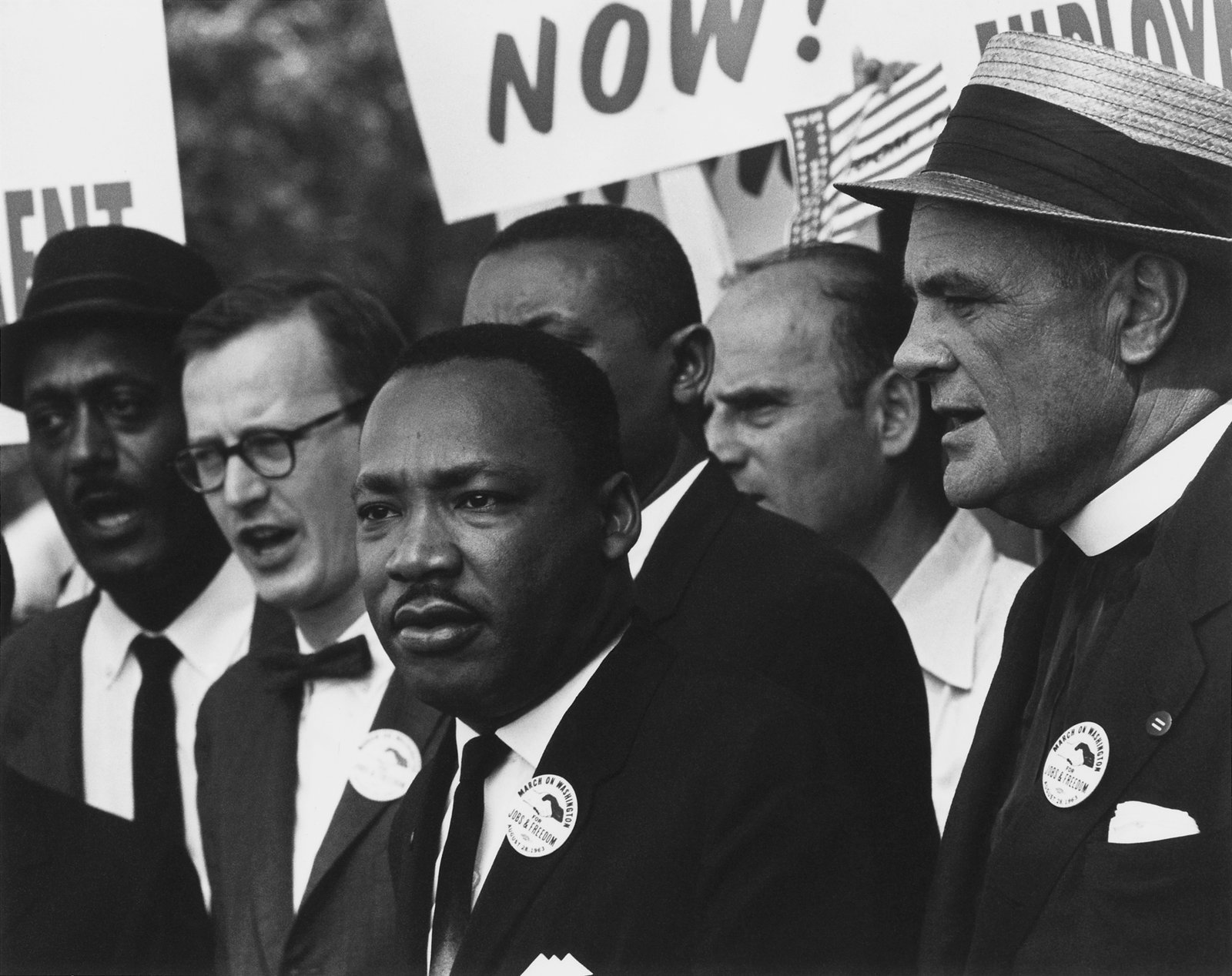
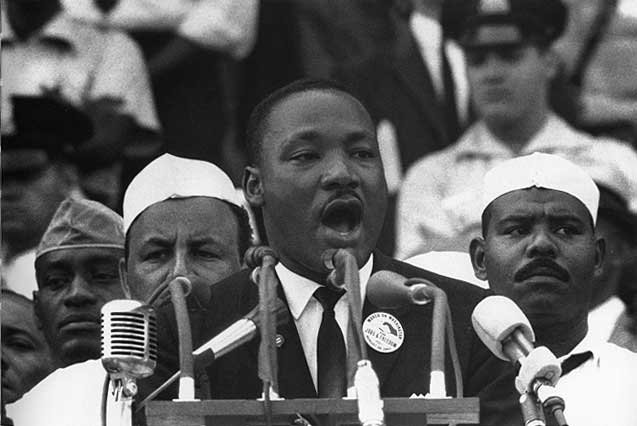
One of the defining moments of King’s career came on August 28, 1963, during the March on Washington for Jobs and Freedom.
Standing before the Lincoln Memorial, King delivered his famous “I Have a Dream” speech. He described his hope for a United States in which people would not be judged by the color of their skin and where equality would become a reality.
The speech became one of the most famous addresses in American history.
Civil Rights Act and Voting Rights Act
The civil rights movement helped create enormous political pressure for legal change.In 1964, President Lyndon B. Johnson signed the Civil Rights Act, which prohibited discrimination based on race, color, religion, sex, or national origin in important areas of American life.The following year, the Voting Rights Act of 1965 was signed into law. It aimed to remove barriers that had prevented many African Americans from exercising their constitutional right to vote.King and other civil rights activists played an important role in the broader movement that helped bring these changes about.
Nobel Peace Prize
In 1964, Martin Luther King Jr. received the Nobel Peace Prize for his leadership in the struggle for civil rights through nonviolent means.
At the age of 35, he became the youngest recipient of the prize at that time.
King donated the prize money to organizations working for civil rights.
The Final Years
King’s work expanded beyond racial segregation. He increasingly spoke about poverty, economic inequality, and the conditions faced by working people.
In 1968, he traveled to Memphis, Tennessee, to support sanitation workers who were striking for better working conditions and recognition of their union.On April 4, 1968, King was assassinated while standing on the balcony of the Lorraine Motel in Memphis. He was 39 years old.His death shocked the United States and the world.
A Legacy That Continues
Martin Luther King Jr.’s life was short, but his influence has continued for generations. His speeches, writings, and campaigns remain important parts of the history of the American civil rights movement. His emphasis on nonviolent protest became an example for movements seeking social and political change in different parts of the world.Today, Martin Luther King Jr. is remembered not only for his famous speeches but also for the thousands of ordinary people who marched, organized, protested, and risked their safety alongside him.His story remains a powerful chapter in the history of the struggle for equality and civil rights.