Lockerbie Bombing: The Terrorist Attack That Destroyed Pan Am Flight 103
On December 21, 1988, the small Scottish town of Lockerbie became the scene of one of the deadliest terrorist attacks in British history. Pan Am Flight 103, a passenger aircraft travelling from London to New York, was destroyed by a bomb while flying over Scotland. The disaster killed 270 people, including 259 passengers and crew members and 11 residents of Lockerbie on the ground.
The tragedy shocked the world, devastated families and transformed a peaceful community into the centre of a major international criminal investigation. The search for those responsible continued for years and became an important chapter in the history of aviation security and international counterterrorism.
The Flight Before the Disaster
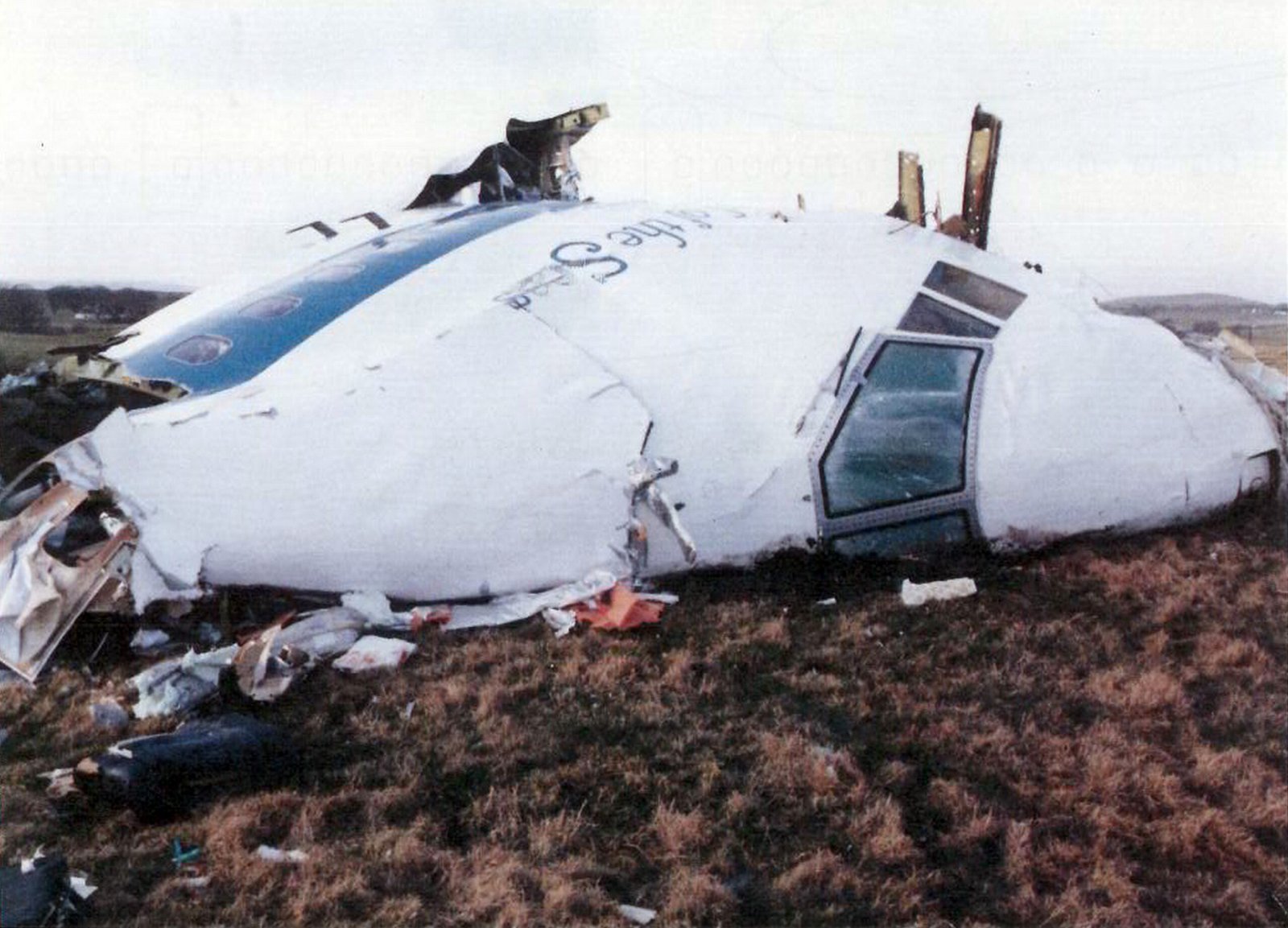
Pan American World Airways operated Flight 103 using a Boeing 747 aircraft named Clipper Maid of the Seas. The aircraft departed London Heathrow Airport on December 21, 1988, bound for John F. Kennedy International Airport in New York.
There were 259 people aboard, including passengers travelling home for the Christmas holidays. Among them were 35 students from Syracuse University returning to the United States after studying abroad.
The flight initially appeared routine. However, approximately 38 minutes after take-off, at around 7:03 p.m. local time, an explosion destroyed the aircraft as it flew at approximately 31,000 feet above Scotland.
The aircraft disappeared from air traffic control radar, and its wreckage began falling across the countryside around Lockerbie. The scale of the destruction soon made clear that this was not an ordinary aviation accident.
How the Bomb Destroyed the Aircraft
Investigators determined that a bomb concealed inside checked luggage had exploded in the aircraft’s forward cargo area. The device contained Semtex, a powerful plastic explosive.
The explosion caused catastrophic structural damage, breaking the aircraft apart in the sky. The destruction happened so rapidly that the crew had no opportunity to transmit a distress message.
Debris was scattered across a large area of the Scottish countryside. Sections of the aircraft fell onto Lockerbie, where burning wreckage and aviation fuel caused devastating fires. Several homes were destroyed in the Sherwood Crescent residential area.
Eleven people on the ground were killed. Some residents had been inside their homes when the wreckage struck. Emergency workers faced a dangerous and complex scene as they searched the debris for survivors and evidence.
In total, 270 people lost their lives: 259 aboard the aircraft and 11 on the ground. The tragedy affected families from many countries and became one of the most widely remembered acts of aviation terrorism.
The Investigation Begins
Scottish police worked with American investigators and other international authorities to determine how the bomb had been placed aboard the aircraft and who was responsible.
Thousands of pieces of wreckage were collected and examined. Investigators reconstructed evidence from the damaged aircraft and studied luggage fragments, electronic components, and other material recovered from the crash site.
A crucial part of the investigation involved fragments associated with a timing device concealed in a radio cassette player. Investigators also traced items of clothing found among the evidence to a shop in Malta. These findings helped investigators develop a theory about how the bomb had entered the luggage system.
The investigation was exceptionally complicated because the crime involved an international flight, evidence spread across a wide geographical area, and possible links to people operating in several countries.
In November 1991, British and American authorities announced charges against two Libyan men: Abdelbaset Ali Mohmed al-Megrahi and Lamen Khalifa Fhimah. Their cases became the focus of years of diplomatic negotiations and legal proceedings.
The Trial and the Verdict
Arranging a trial proved difficult because of disputes over jurisdiction and the location of the proceedings. In 1999, Libya agreed to surrender the two accused men for trial under Scottish law in the Netherlands.
The trial began in May 2000 at Camp Zeist, a specially established Scottish court near Utrecht. On January 31, 2001, the judges found al-Megrahi guilty of murder in connection with the bombing. He received a life sentence, with a minimum period of imprisonment initially set at 20 years.
Fhimah was acquitted because the court found that the prosecution had not proved his guilt beyond reasonable doubt.
Al-Megrahi appealed against his conviction, but his first appeal was rejected in 2002. In August 2009, he was released from prison on compassionate grounds because he was suffering from terminal cancer. He returned to Libya and died in 2012.
The conviction and the wider circumstances of the case have continued to attract scrutiny and debate. Some relatives of victims have questioned aspects of the investigation and sought further disclosure of evidence. The case remains an important example of the challenges involved in prosecuting international terrorist crimes.
Libya and International Relations
The Lockerbie bombing had serious consequences for Libya’s international relations. The dispute over the attack contributed to years of diplomatic tension and United Nations sanctions.
In August 2003, Libya formally accepted responsibility for the bombing for the purposes of compensation and agreed to establish a compensation arrangement worth approximately $2.7 billion for the victims’ families. The agreement formed part of a wider diplomatic process that led to the lifting of United Nations sanctions.
The diplomatic settlement did not end every question surrounding the attack. Investigators continued to examine possible involvement by other individuals, and the legal process developed further decades after the bombing.
In December 2022, Abu Agila Mohammad Mas’ud, a former Libyan intelligence operative, was brought into United States custody to face federal charges alleging that he had helped construct the bomb used in the attack. His case represented another stage in the long-running effort to investigate and prosecute those suspected of involvement.
The Lockerbie case demonstrated how terrorism investigations can influence diplomatic relations for decades and how governments may face pressure to cooperate with international criminal proceedings.
The Impact on Lockerbie and the World
The bombing left a lasting mark on Lockerbie. Families lost loved ones, homes were destroyed, and residents faced the difficult task of rebuilding their lives after an unimaginable tragedy.
The victims aboard Flight 103 included students, parents, children, and people travelling to reunite with family for Christmas. Their deaths affected communities across the United States, Britain, and many other countries.
Memorials and commemorations have helped preserve the memory of those who died. For relatives, remembrance has often been accompanied by a continuing search for truth, accountability, and a fuller understanding of the events that led to the bombing.
The disaster also had a lasting impact on aviation security. It highlighted the importance of effective baggage screening, careful examination of suspicious items and cooperation between airlines, airports, law enforcement agencies and intelligence services.
The investigation showed that reconstructing an aviation disaster requires painstaking forensic analysis and collaboration across national boundaries. It also demonstrated the difficulties of gathering evidence and achieving justice when suspected perpetrators and supporting networks may be located in different countries.
Why the Lockerbie Bombing Remains Significant
The Lockerbie bombing remains significant not only because of the number of lives lost but also because of its wider historical consequences. It exposed the vulnerability of international air travel to terrorist attacks and raised difficult questions about intelligence, airport security and international accountability.
The case also illustrated the challenges of bringing suspects to trial when political disagreements obstruct legal cooperation. The eventual proceedings required an unusual court arrangement and years of negotiations between governments.
For historians, the bombing is an important case study in modern terrorism, international criminal justice and the relationship between political diplomacy and the pursuit of justice. For the families of the victims and the people of Lockerbie, it remains a deeply personal tragedy that cannot be reduced to legal or political history alone.
The Lockerbie bombing of December 21, 1988, remains one of the most devastating acts of aviation terrorism in modern history. The destruction of Pan Am Flight 103 killed 270 people and brought profound suffering to families and the Scottish community where the wreckage fell.
The investigation, trial, and subsequent legal developments extended over decades, reflecting the complexity of pursuing justice across national borders. The tragedy also strengthened public awareness of aviation security and the importance of international cooperation against terrorism.
More than three decades later, Lockerbie remains a place of remembrance and a reminder of the human cost of political violence. Preserving the history of the bombing helps honor the victims and ensures that future generations understand the event and its lasting consequences.