9/11: The Day the World Stopped
September 11, 2001, began like an ordinary Tuesday morning in the United States. Within a few hours, normal life had been shattered, and millions of people around the world were watching history unfold in real time.
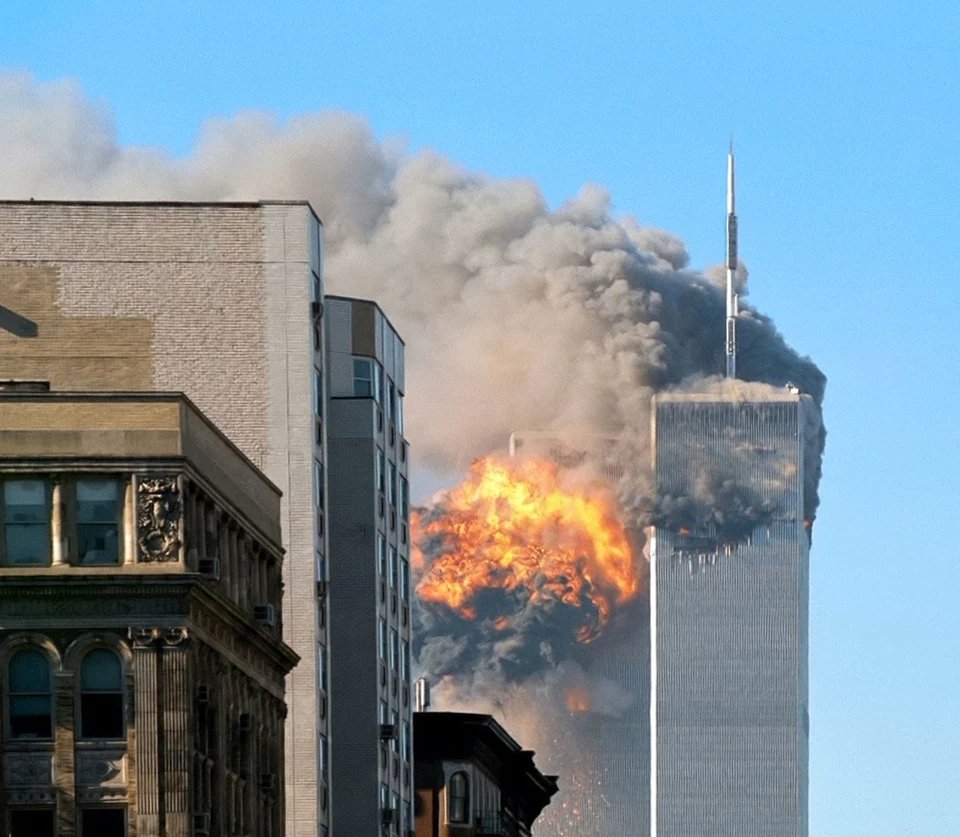
In New York City, two hijacked passenger airplanes were deliberately flown into the World Trade Center’s Twin Towers. A third aircraft crashed into the Pentagon in Virginia. A fourth hijacked plane, United Airlines Flight 93, crashed into a field in Pennsylvania after passengers and crew attempted to overcome the hijackers.
The attacks killed nearly 3,000 people and changed the course of modern history.
Watching the Unthinkable
What made September 11 so difficult to comprehend was that the world was seeing the events as they happened.
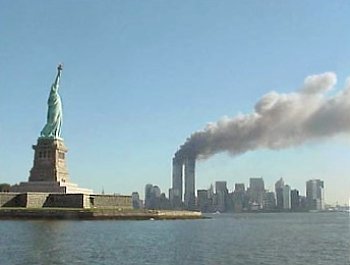
Television cameras captured smoke rising over Manhattan. News channels showed the burning towers again and again. People stood in streets, offices, homes, airports, and public spaces trying to understand what they were seeing.
There was no time for the usual distance that comes with history. This was happening live.
When the South Tower collapsed, followed about half an hour later by the North Tower, the scale of the disaster became almost impossible to understand.
For millions watching on television, the scenes seemed unreal.
Yet they were real.
Disbelief and Fear
At first, many people simply wanted information.
Phones rang constantly as people tried to reach family members, friends, and colleagues. Crowds gathered around television screens. In New York, people covered in dust moved through the streets while emergency workers rushed toward the destruction.
Across the United States, uncertainty spread quickly.
U.S. airspace was shut down. Major buildings were evacuated in cities across the country as authorities feared that further attacks could take place.
People who had never met the victims experienced a strange sense of grief. The images were difficult to watch but impossible to ignore.
The disaster was no longer something happening somewhere else.
It had entered people’s homes through their television screens.
Ordinary People in Extraordinary Circumstances
Behind the enormous images of collapsing buildings were thousands of individual stories.
Office workers trapped inside the towers tried to contact loved ones. Passengers aboard the hijacked planes made desperate phone calls. Firefighters, police officers, paramedics, and other rescue workers entered the danger zone while others were trying to escape.
In the hours and days that followed, stories of courage and sacrifice began to emerge.
For families waiting for news, however, there was little certainty. Missing-person notices appeared throughout New York, and photographs of loved ones were placed on walls and lampposts.
The city had become a place of mourning.
A World in Shock
The shock did not stop at America’s borders.
People around the world watched the images from New York and struggled to understand what had happened. Governments increased security measures, airports changed their procedures, and public fears about terrorism grew sharply.
The attacks were attributed to al-Qaeda, the terrorist organization led by Osama bin Laden. The United States announced that it would pursue those responsible.
In the weeks that followed, grief and disbelief gradually gave way to anger and a determination to respond.
“I Want to Hug Strangers”
The emotional reaction was complicated.
Writer Jay McInerney captured part of that contradiction when he wrote:
“I want to hug strangers. I want to hurt other strangers….”
The words reflected the conflicting emotions experienced by many people: compassion for victims and their families alongside anger toward those responsible for the attacks.
Across communities, strangers helped one another. People donated blood, offered shelter, searched for information, and stood together in remembrance.
At the same time, fear and anger would influence political decisions and international events for years to come.
The Rescue Workers
Among the most remembered figures of September 11 were the firefighters, police officers, paramedics, and ordinary civilians who helped others during the attacks.
Many emergency workers entered the World Trade Center while people were still trapped inside.
Some never came home.
The rescue and recovery effort continued long after the towers had fallen. Workers searched the ruins for survivors and remains while families waited for answers.
The scale of the operation was enormous, and Ground Zero became a symbol of both loss and resilience.
A Moment That Changed History
September 11 was more than a single day’s tragedy. Its consequences continued for decades.
The United States launched military operations in Afghanistan, airport security changed around the world, governments expanded counterterrorism programs, and international politics entered a new era.
But behind all those historical developments were individual human beings—people who had gone to work, boarded planes, said goodbye to family members, or begun an ordinary morning without knowing that their lives were about to change forever.
A Memory That Remains
Years later, September 11 remains one of the most remembered events of the modern era.
The names of those who died are read aloud at memorial ceremonies. Photographs from that morning continue to remind later generations what happened. The memorial pools at the former World Trade Center site stand where the Twin Towers once rose over New York.
September 11 is remembered not only for destruction but also for the people who responded to it.
In the middle of fear and confusion, there were acts of courage, sacrifice, compassion, and love.
September 11, 2001, changed history. But it also left behind thousands of individual stories—stories
of loss, bravery, and humanity that should never be forgotten.